
When to Use a Regular Text vs. a Secured Message
Quick guide: when regular SMS is fine and when to use a secured message instead.
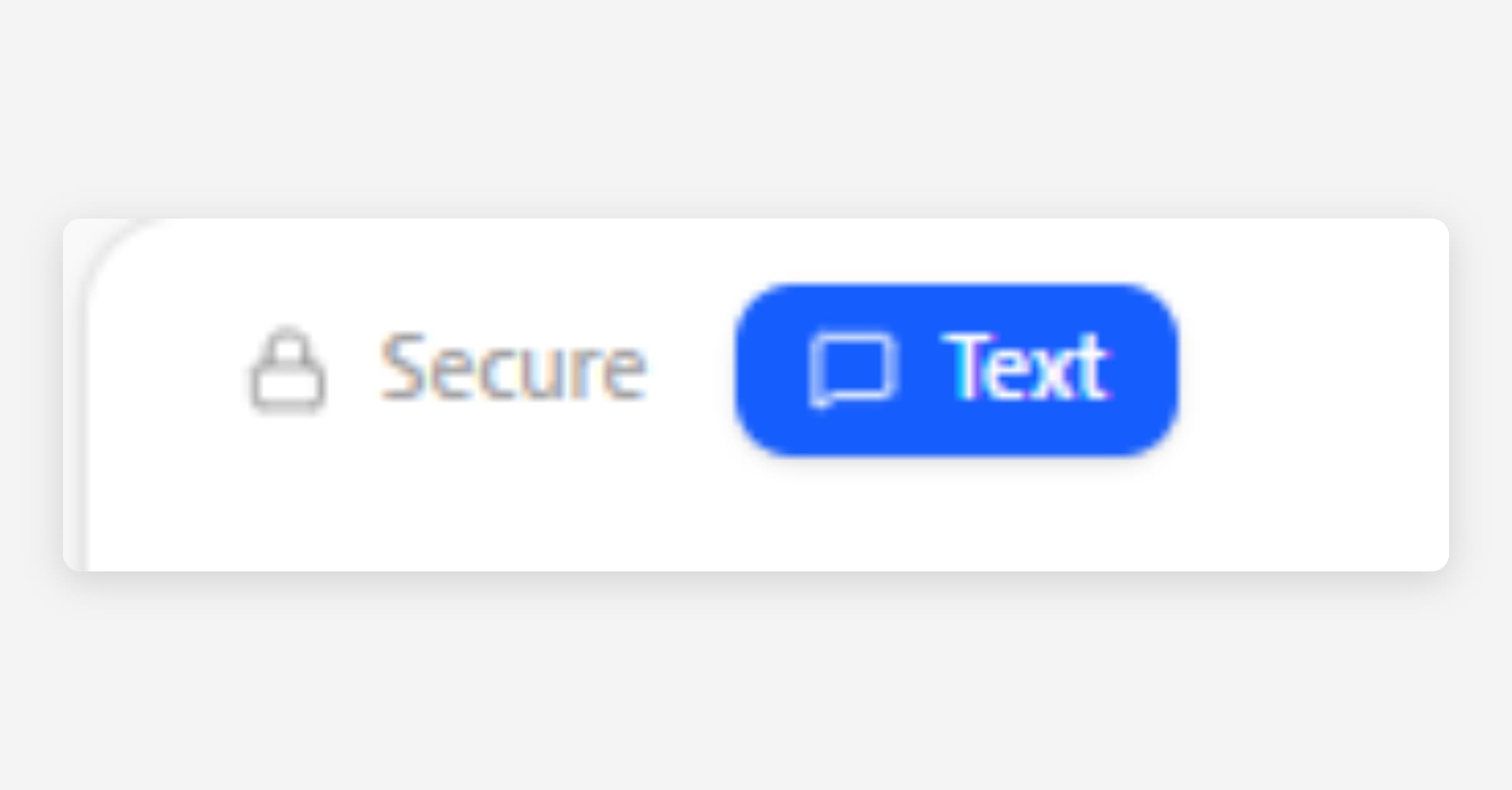
Regular text messages (SMS)
A regular text lands on the contact’s phone like any other SMS text message.
Good for:
• Short appointment reminders and simple scheduling details
• Quick check-ins that do not include private information
• Logistics that would be fine if someone else glanced at a lock screen
Not good for private details. Treat a regular text as something that could be seen by others — on a lock screen, a shared phone, a family member’s device, or if the message is forwarded.
Do not put the following in a regular text:
• Medical or health details (including test results or diagnosis-related information)
• Financial details
• Documents or long instructions that include personal information
• Photos, videos, or other files your organization treats as confidential
• Anything else your organization considers private or sensitive
Secured messages
A secured message keeps the actual content out of plain SMS. The contact usually receives a short text invite with a link, then securely logs in to the Client Portal to read the message and to reply.
Use a secured message when the conversation includes:
• Protected health information (PHI) or other medical details
• Financial information
• Images, videos, or documents
• Anything else your organization treats as confidential
When you are unsure, select the secured message option.
How to choose in the moment
1. Ask: “Would I be comfortable if someone other than this person saw this on a phone screen?”
2. If the answer is no — or if you are not sure — send a secured message.
3. Before you type a reply in an existing conversation, check whether the thread is using Text or Secure, and switch if needed.
Staff can always change the message type in the composer before sending. Administrators can set the default type the composer opens with in Inbox Settings.
Related
• Sending Text Messages
• Inbox Overview
• Conversation Types and Linked Records
• Customizing the Secure Message Invite
• Message Attachments
Was this helpful?